Exclusive Launch Offer: Get Upto 30% Off on All Products!
Menu

BRAHMI

BACOPA MONNIERI

✦ Ayurvedic Herb
Scientific Name : BACOPA MONNIERI
Parts Used : Whole Plant
Common Names : Barmi / Indian Pennywort
Rasa (Taste) : Tikta (Bitter), Kashaya (Astringent)
Guna (Qualities): Laghu (Light)
Virya (Potency) : Sheet (Cold)
Vipaka : Madhur (Sweet)
Pharmacological Activity : Vata (Air), Pitta (Fire & Air)
Bioactive Compounds : Saponins bacosides, Triterpenoid Saponins, Alkaloid Brahmine

About BRAHMI

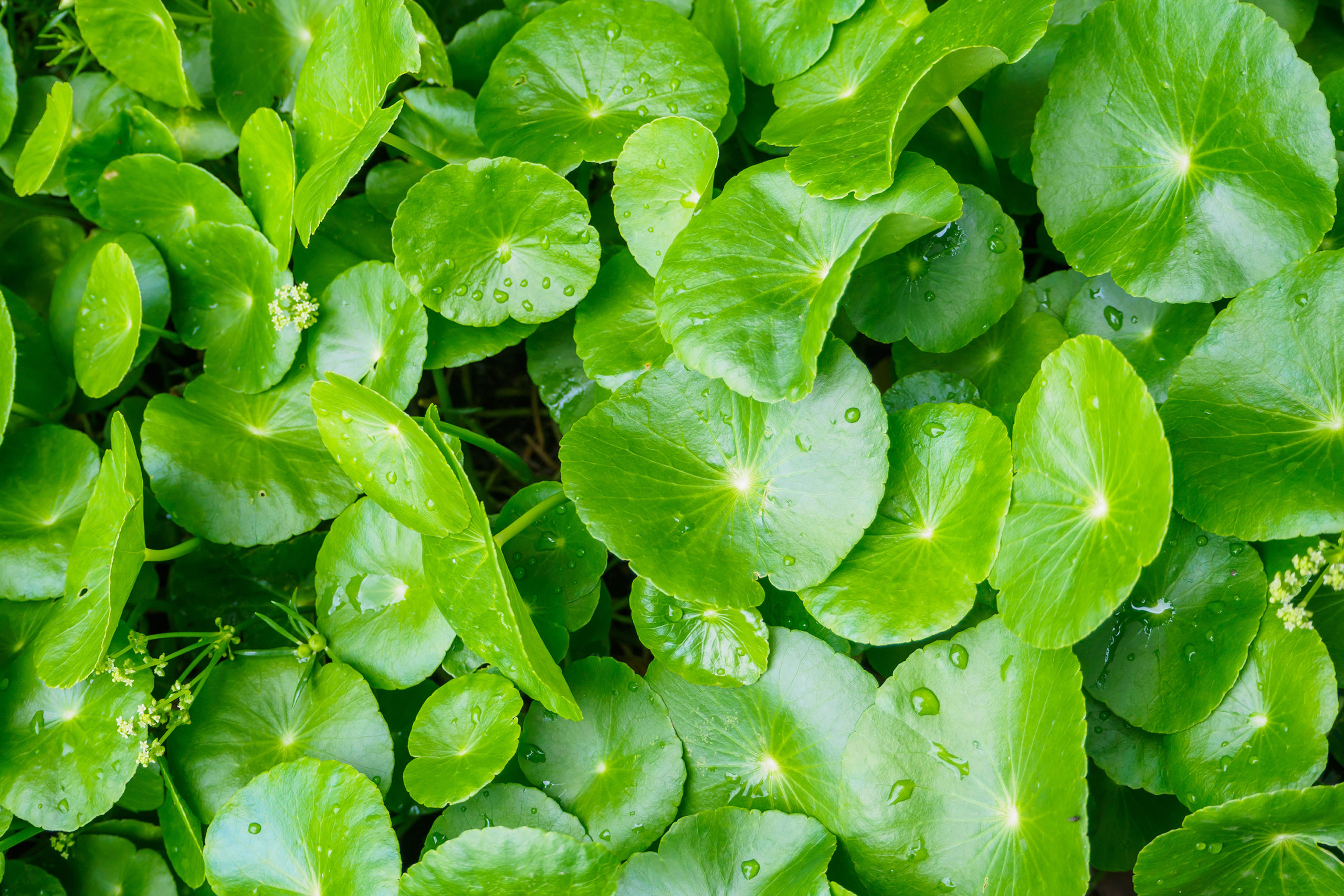
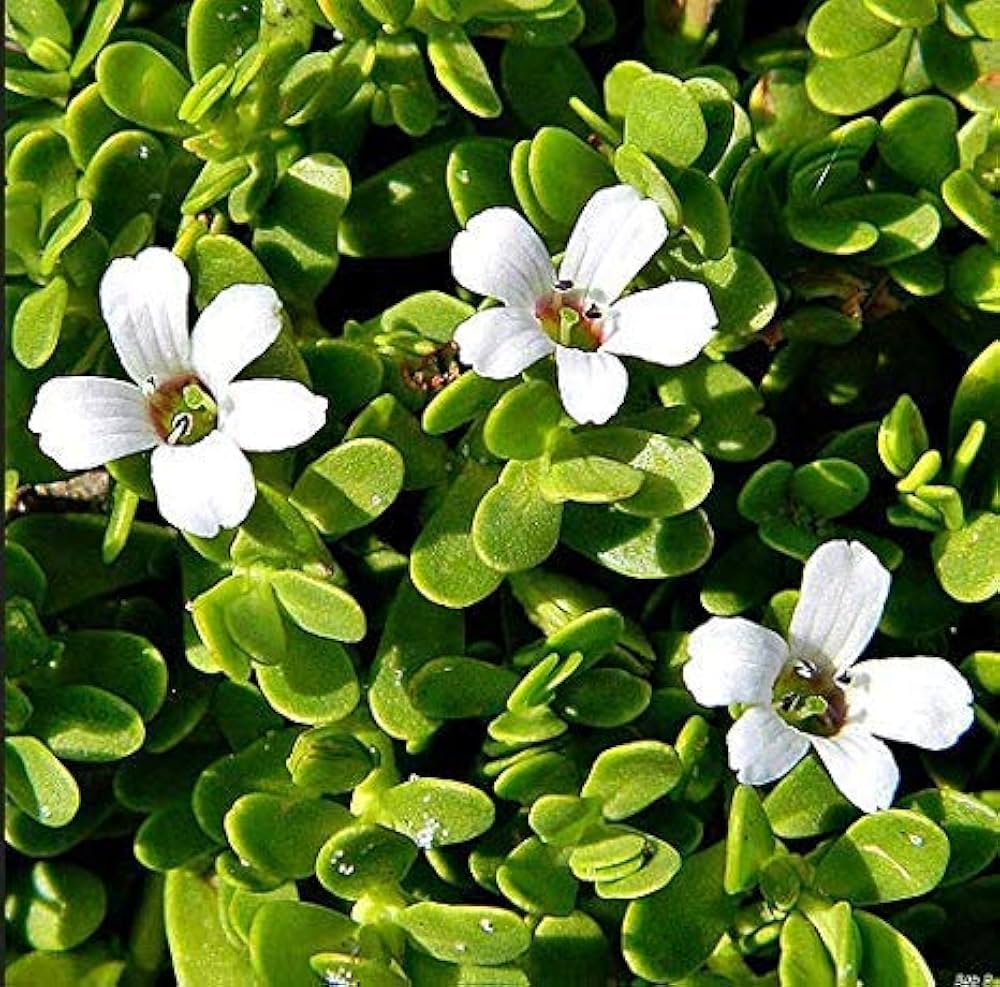
Brahmi is a perennial herb that has been recently reclassified into the Plantaginaceae family from the Scrophulariaceae or Figwort family. Brahmi is a small, creeping succulent and water loving herb, which grows in ponds, tidal lands, and wetlands in tropical and semitropical areas. The flowers have 5 petals, are white or whitish-blue, and grow on short pedicels at the axils of the leaves. Native to India & Sri Lanka but is now common throughout the world, in shaded, watery places.

Brahmi is a Sanskrit word derived from the word ‘Brahma’ the mythical “creator” in the Hindu pantheon. Brahmi literally means the energy (or “Shakti”) of Brahma. Thus, Brahmi has a lot to offer to the medical world. In India, Brahmi is largely treasured as a revitalizing herb used by Ayurvedic medical practitioners for almost 3000 years. The ancient Ayurvedic sages, who were also great physicians, revealed Brahmi’s role in promoting Medhya (intellect), Ayushya (longevity), Rasayana (rejuvenation), Prajnasaktivardhana (intellectual power), Hrdaya (Heart), Majjadhaty Rasayana (nervous system rejuvenation), Balya (strength, especially mind), Jivaniya (life energy), Nidrajanana (sleep), Dhana (wealth), Svara (voice), Varna (complexion) and Anuloma (redirecting the flow of vata downwards). Over the centuries, the role of Brahmi in the treatment of Kustha (leprosy/skin disorder), Pandu (anemia), Meha (diabetes), Asra Vikara (blood disorders), Kasa (cough), Visa (poison), Sopha (edema), Jwara (fever), Vatahara (vata), Unmadahara (mental illness), Unmada (insanity), Alaksmi (inauspiciousness), Apasmara (epilepsy), Papa (evil deeds), Krtya (black magic), Ruk (pain) and Manasavikara (mental disorders) has been well described.
Boosts Cognition: One of the most prized benefits of Brahmi is its ability to stimulate the mind, particularly in terms of memory and concentration. It has long been used in Ayurvedic medicine to increase focus and retention. Some of the organic compounds in Brahmi stimulate cognitive pathways in the brain to boost cognitive ability. Ayurvedic View: Brahmi helps in managing age-related memory loss when used on a regular basis. According to Ayurveda, the nervous system is controlled by Vata. An imbalance of Vata leads to weak memory or poor mental alertness. Brahmi is useful to enhance memory and gives instant mental alertness. This is due to its Vata balancing and Medhya (improve intelligence) properties. Reduces Anxiety & Stress: The active ingredients in this herb can affect hormonal balance in the body and positively impact the balance of stress hormones in our body, thereby inducing a calm, relaxed state in a natural way, avoiding the side effects of traditional pharmaceutical options for stress and anxiety relief. Ayurvedic View: Brahmi is useful to manage the symptoms of anxiety. According to Ayurveda, Vata governs all the movement and actions of the body and nervous system, respectively. Anxiety is mainly due to Vata imbalance. Brahmi helps to balance Vata and gives a calming effect on the nervous system. Anti-inflammatory: Brahmi plant can reduce swelling and eliminate irritation, as well as inflammation inside the body as well. Antioxidant: The antioxidants contained in Brahmi are essential for promoting a healthy lifestyle. Antioxidants can eliminate free radicals, the dangerous by-products of cellular metabolism that can cause cells to undergo apoptosis (cell death) or mutate into cancerous cells.