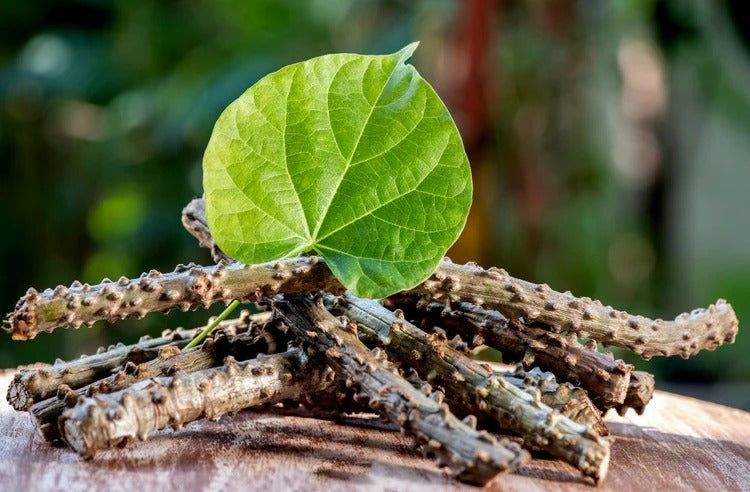
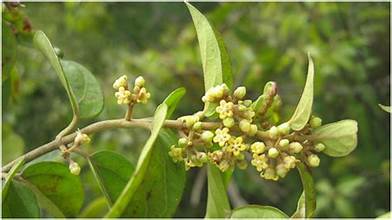
Giloy, known by the scientific name, Tinospora cordifolia, is an Ayurvedic herb that has been used and advocated in Indian medicine for ages. Through centuries, Giloy has been part of many Ayurvedic formulations used in the treatment of various diseases.
Giloy is a universal herb that helps boost immunity. It is a Hindu mythological term that refers to the ‘heavenly elixir’ that has saved celestial beings from old age and kept them eternally young. In Ayurveda, it has been used for centuries in all types of fevers, and for blood purifying, immune empowering, analgesic, and anti-inflammatory benefits. It is used as a rasayana to improve the immune system and body resistance against infections. The whole plant is used medicinally; however, the stem is approved for use in medicine as listed by the Ayurvedic Pharmacopoeia of India. In Sanskrit, Giloy is known as ‘Amrita', which literally translates to ‘the root of immortality', because of its abundant medicinal properties attributed to its ability to impart youthfulness, vitality, and longevity.
Other synonyms used for Guduchi which refer to its various properties and uses, include Chhinnaruha/Chhinnodbhava (for the plant’s capacity to grow from the cut side), Vatsadini (eaten by grazing animals), Pittaghni (bile destroying), Rasayana (capacity to improve quality of rasa, the primordial tissue which in turn strengthens all other tissues), Chakrangi/Chakraakshana (for its wheel-like appearance), Jwaranashi/Jwarari (potent antipyretic), Vayastha (prevents ageing), Amrutsambhava (ambrosia), Bhishakpriya (favourite of physicians), Saumya (not harmful) and Tikta (bitter taste).