





Exclusive Launch Offer: Get Upto 30% Off on All Products!
Menu

DHANIYA

CORIANDRUM SATIVUM

✦ Ayurvedic Herb
Scientific Name : CORIANDRUM SATIVUM
Parts Used : Seed & Fresh Leaves
Common Names : Dhaniya / Chinese Parsley
Rasa (Taste) : Kashaya (Astrigent), Tikta (Bitter)
Guna (Qualities): Laghu (Light), Snigdha (Unctuous, Oily)
Virya (Potency) : Ushna (Hot)
Vipaka : Madhura (Sweet)
Pharmacological Activity : Trishnanigrhena (Thirst Depressant)
Bioactive Compounds : 0.5–1% volatile oil, consisting mainly of Delta-Linalool (55–74%), alpha-pinene and terpinene. It also contains Flavonoids, Coumarins, Phthalides and Phenolic Acids (including Caffeic and Chlorogenic)

About DHANIYA

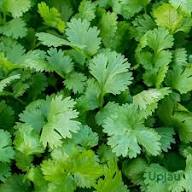
Coriander is native to Mediterranean countries and widely cultivated in tropical region. It is a plant that has no special cultivation requirements growing up without problems a little anywhere in temperate regions. It is annual growing to 0.5 m (1ft 8in) by 0.3 m (1ft). It can grow in semi-shade (light woodland) or no shade. It prefers dry or moist soil.

Coriander (Coriandrum sativum L) is an annual and herbaceous plant, belonging to the Apiaceae family (carrot family). Its name is derived from the Greek Koris, meaning bedbug, because of the unpleasant, fetid, bug-like odor of the green herb and un-ripened fruits.

Promotes Digestion and Gut Health: Dhania (coriander) leaves are light to digest and help improve digestion which helps reduce flatulence, diarrhoea, bowel spasm due to its anti-diarrheal and carminative properties. It also reduces muscle spasms as well as the frequency and severity of abdominal pain due to its antispasmodic property. Its stomachic, antispasmodic, and carminative activity is due to the presence of essential oil linalool. Ayurvedic View: The most widely known use is for improving digestion by moderating Agni (digestive fire) without increasing pitta and acidity levels. It is very useful against flatulence and bloating. Lowers Blood Sugar Levels: Coriander exerts a stimulating effect on the endocrine glands due to which the secretion of insulin is increased from pancreas. This helps to eventually increase the insulin level in the blood. Coriander seeds and oil may help lower blood sugar levels by promoting enzyme activities that help rid sugar from the blood. Ayurvedic View: Dhania has blood sugar lowering nature due to its Tikta (bitter) property. Appetite stimulant: Flavonoids in Dhania seeds might be beneficial in stimulating appetite. Linalool in Dhania helps to increase the consumption of food. It also increases the activity of neurotransmitters involved in the process of stimulating appetite. Improves Heart Health: Coriander may lower heart disease risk factors like high blood pressure and high cholesterol levels. As coriander is diuretic, it helps the body flush excess sodium and water from the body that helps regulate s blood pressure. Ayurvedic View: Dhania has blood pressure lowering nature due to its Mutral (diuretic) property. Improves Kidney Functioning: Coriander is effective at treating urinary tract problems, connected with burning urination and infections. It is a mild diuretic that does not overburden the kidneys with excessive activity and strengthens the urinary system. Coriander’s diuretic property also makes it useful in treating oedema and high blood pressure levels. It helps in the removal of kidney stones by increasing the production of urine due to its diuretic property. Protects Brain Health: Parkinson’s and Alzheimer’s are associated with inflammation which can be safeguarded against with anti-inflammatory properties of coriander. Lab studies observe that coriander extract can protect against nerve-cell damage and improve memory and manage anxiety. Due to antioxidative, cholesterol-lowering and anti-inflammatory activities of coriander, the neurons get less exposed to oxidative stress leading to a better lifespan and memory.